

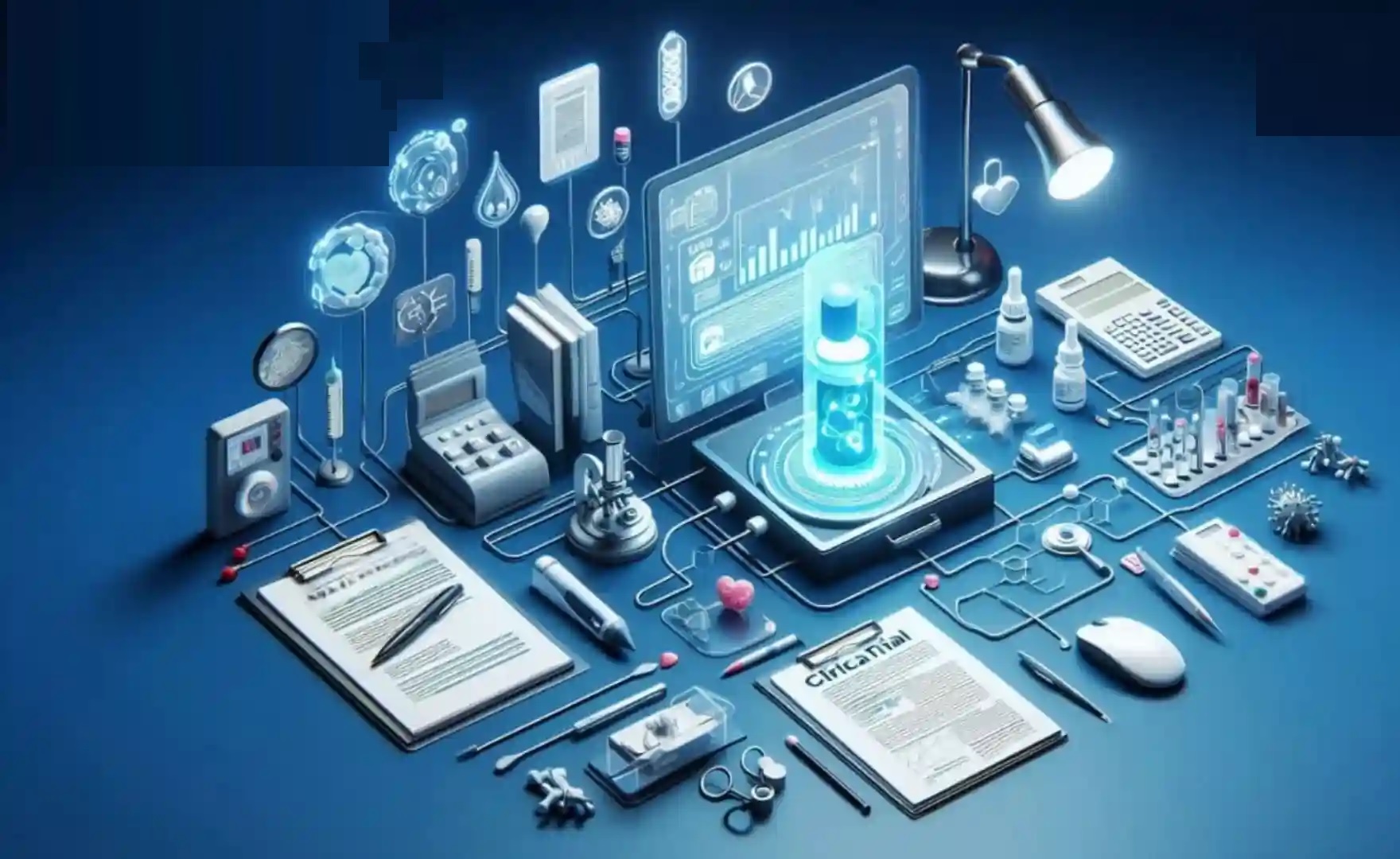
Not long ago, managing a clinical trial meant navigating a labyrinth of spreadsheets, binders, and sticky notes. Research coordinators relied on manual updates, while sponsors crossed their fingers that everyone was working from the same version of reality. It was slow, error-prone, and unsustainable. The birth of the clinical trial management system changed everything — and now, artificial intelligence is pushing that evolution into its next phase.
In the early 2000s, CTMS tools were little more than digital filing cabinets. They centralized information, but they didn’t do much with it. Teams still needed to export data for analysis and rely on manual oversight to make sense of it. What those early systems achieved, however, was visibility. Suddenly, study managers could see site performance, recruitment status, and financial data in one place. It wasn’t perfect, but it was progress.
As technology matured, integration became the next milestone. CTMS platforms began to connect with electronic data capture (EDC) systems, eTMFs, and even safety databases. This interoperability eliminated redundant work and gave rise to a more holistic view of the trial lifecycle. The data silos that once plagued research operations began to dissolve.
The rise of cloud computing then broke down another barrier — accessibility. Trials went global, and so did the systems supporting them. Real-time updates allowed stakeholders from any continent to track progress simultaneously. Remote monitoring and digital site management became standard practice, paving the way for today’s hybrid and decentralized trial models.
Now, artificial intelligence is transforming CTMS once again. AI-driven systems do more than store data; they interpret it. Predictive algorithms can forecast recruitment bottlenecks, identify sites likely to underperform, and even recommend corrective actions before issues escalate. The result? Trials that are faster, cheaper, and more reliable. Machine learning models continuously refine themselves based on historical performance, making each study smarter than the last.
Automation has become another defining feature of the modern CTMS. From scheduling visits to generating reports, tasks that once consumed hours are now handled automatically. This doesn’t just reduce human error — it redefines what teams can focus on. Instead of spending time managing logistics, they can devote energy to strategy and patient care.
Security has also evolved. With the digitization of sensitive patient and study data, encryption and access control are no longer optional. Modern CTMS platforms employ sophisticated compliance frameworks that meet or exceed global standards like GDPR, HIPAA, and ICH-GCP. The shift to AI has amplified the need for trust and transparency in data handling, and leading vendors are responding accordingly.
The next frontier? Decision intelligence. The future CTMS won’t just support operations; it will actively optimize them. Imagine a system that can simulate multiple trial scenarios, recommend the best recruitment strategy, or instantly flag operational risks. That’s where the industry is heading — a future where data doesn’t just inform decisions but drives them.
Looking back, it’s astonishing how far the field has come. From the chaos of spreadsheets to the precision of predictive analytics, CTMS has evolved from a simple organizer into an operational nerve center. In many ways, this mirrors the broader digital transformation of healthcare: efficiency through intelligence.
The CTMS has moved from being a digital convenience to an operational necessity. And with AI at the helm, it’s no longer just managing trials — it’s shaping the future of research itself.
Comments are closed.