
Ergonomic Analytics and Chair Yoga: How Singapore’s Workplace Health Tech Is Creating a New Kind of Movement Intelligence

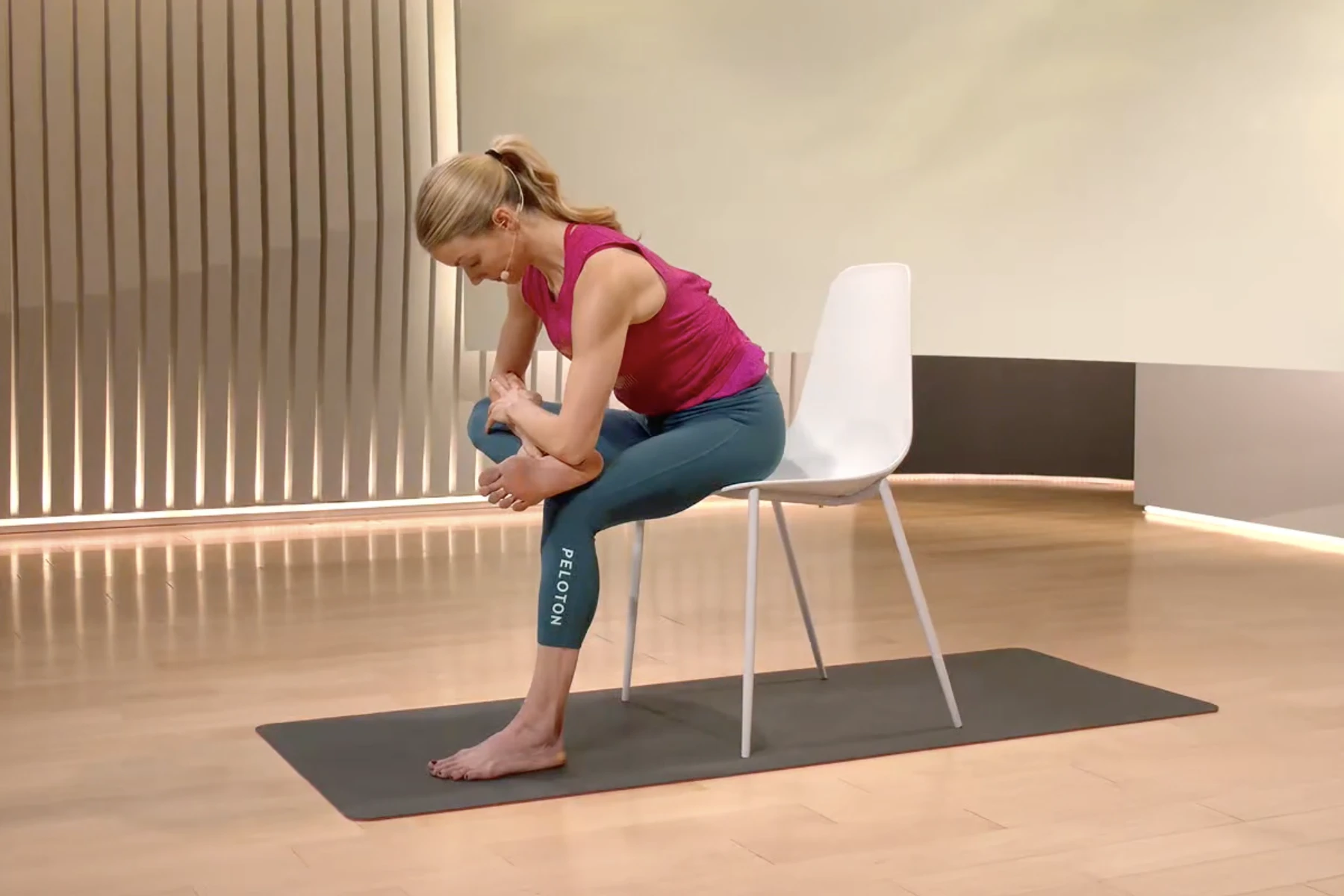
The relationship between posture monitoring technology and workplace wellness has been building for several years in Singapore’s corporate technology sector. What began with simple standing desk timers and calendar reminders to take movement breaks has evolved into a more sophisticated ecosystem of sensors, analytics platforms, and integrated wellness interventions that are beginning to connect posture data, movement patterns, and structured movement practices like Chair yoga in ways that create genuinely actionable workplace health intelligence.
Understanding where this technology is now, where it is heading, and how chair yoga fits into the emerging analytics ecosystem provides a useful picture of how Singapore’s workplace health management is evolving beyond the generic wellness programme model toward something more data-driven and individually responsive.
What Ergonomic Analytics Platforms Currently Measure
The ergonomic analytics platforms that have found traction in Singapore’s corporate market measure a range of posture and movement variables that relate directly to the physiological problems that sustained desk work creates.
Postural sensor systems, using either wearable sensors attached to the practitioner’s body or camera-based pose estimation systems that observe the work environment non-invasively, capture the specific postural parameters most associated with musculoskeletal risk: head forward posture angle, thoracic flexion, lumbar position, shoulder elevation, and the symmetry of loading between left and right sides. These measurements provide continuous data on the postural environment that employees are creating for their musculoskeletal systems throughout the working day.
Sedentary behaviour tracking, using either desk sensors that detect occupancy or wearable accelerometers that distinguish between sitting and movement states, provides data on the temporal patterns of sedentary behaviour: how long employees are sitting continuously before taking movement breaks, how the distribution of sedentary bouts varies across the working day, and how these patterns relate to the musculoskeletal symptom rates that HR and occupational health teams track.
Computer interaction analytics, capturing mouse and keyboard usage patterns, provide indirect indicators of postural loading and fatigue that complement direct postural measurement. Changes in typing dynamics, increased error rates, and altered mouse movement patterns are measurable correlates of fatigue and postural strain that appear before employees are aware of symptomatic discomfort.
How Chair Yoga Fits Into the Analytics Ecosystem
The integration of chair yoga into an ergonomic analytics framework creates a feedback loop between postural data and structured movement intervention that is more clinically intelligent than either element provides alone.
Data-triggered session scheduling represents the most immediate and practically useful integration point. An analytics platform that detects that a specific employee has been in sustained forward head posture for two hours, or that a department’s aggregate sedentary bout duration has exceeded the threshold associated with increased musculoskeletal risk, can trigger an automated recommendation for a chair yoga break session that is directly responsive to the measured physiological risk rather than being scheduled at arbitrary fixed times.
Post-session effectiveness measurement, using pre and post-session postural sensor data, provides objective evidence of whether specific chair yoga sequences are producing the postural corrections they are designed to achieve. A session focused on thoracic mobility should be followed by measurable improvement in thoracic posture data for participants. A session focused on hip flexor release should produce measurable changes in pelvic tilt and lumbar posture. This outcome measurement closes the loop between intervention design and physiological result in ways that traditional programme evaluation never achieves.
Individual movement pattern profiling, built from longitudinal postural and movement data, allows the customisation of chair yoga session content to the specific postural risk patterns of individual participants or demographic groups within the organisation. An analytics platform that identifies that a specific team consistently develops right shoulder elevation and cervical lateral flexion by mid-afternoon, patterns associated with dominant hand mouse use and monitor positioning, can inform chair yoga session design that specifically targets these patterns for that team.
The Privacy and Consent Architecture
The employee monitoring dimension of ergonomic analytics raises genuine privacy and consent considerations that are particularly important in Singapore’s regulatory context, where the Personal Data Protection Act and the evolving guidance from the Ministry of Manpower on workplace monitoring set specific requirements for how employee data can be collected and used.
Transparent opt-in frameworks for individual postural monitoring, where employees understand exactly what is being measured, how the data is used, and what protections exist for their individual data, are both legally appropriate and practically necessary for achieving the employee trust that makes these programmes effective. Employees who feel surveilled rather than supported by workplace monitoring technology disengage from the wellness programmes the monitoring is intended to enhance.
Anonymised aggregate reporting for programme management purposes, where the data used to design and schedule chair yoga sessions reflects aggregate departmental patterns rather than individual employee records, provides the actionable information that programme managers need without the individual monitoring that employees may find intrusive.
Studios like Yoga Edition that have developed the capability to integrate their chair yoga programming with workplace analytics platforms, and that understand both the technical and the ethical dimensions of this integration, are positioning themselves at the frontier of Singapore’s workplace wellness evolution, offering a category of service that goes beyond simple session delivery into the evidence-based, technology-informed corporate health management that Singapore’s more sophisticated employers are beginning to demand.
Comments are closed.