

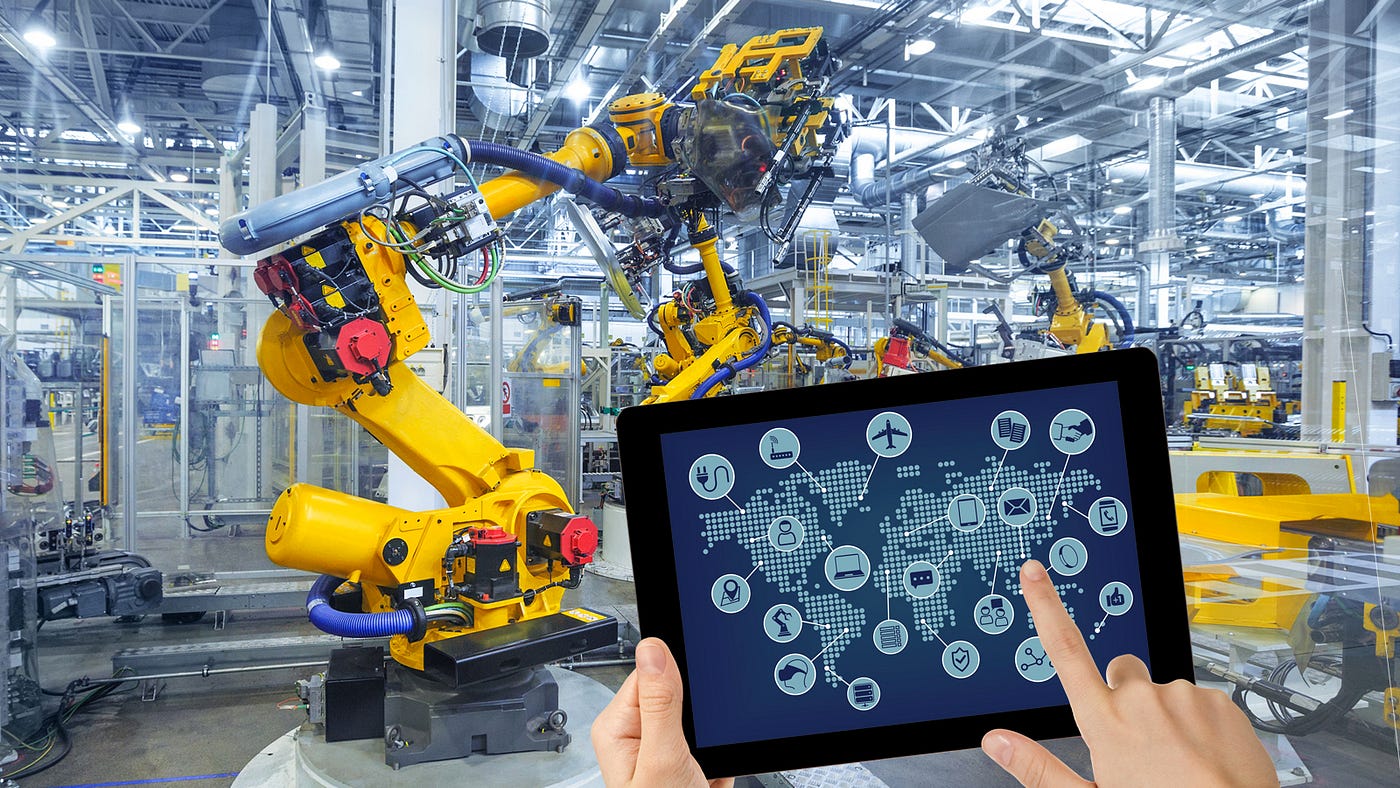
Manufacturing is undergoing a major transformation as digital technologies reshape how factories operate. Smart manufacturing and Industry 4.0 represent a shift from traditional production systems toward connected, intelligent, and highly adaptable operations. These changes allow organizations to improve efficiency, reduce costs, and respond faster to market demands.
Understanding these concepts helps businesses and professionals prepare for the future of industrial production.
What Smart Manufacturing Means Today
Smart manufacturing refers to the integration of advanced technologies into production environments to improve performance and decision-making. It connects machines, people, and systems through digital networks that enable real-time monitoring and automation.
Core characteristics of smart manufacturing include:
- Real-time production tracking
- Automated workflow coordination
- Data-driven decision-making
- Connected machinery and sensors
- Flexible production systems
These features support more efficient and responsive manufacturing environments.
Understanding Industry 4.0 in Simple Terms 🌐
Industry 4.0 represents the fourth major industrial transformation, following mechanization, electrification, and computerization. It focuses on combining physical manufacturing systems with digital intelligence.
Industry 4.0 technologies typically include:
- Industrial Internet of Things (IIoT)
- Artificial intelligence applications
- Robotics and automation systems
- Cloud computing infrastructure
- Data analytics platforms
Together, these technologies create interconnected production ecosystems.
The Role of Connected Machines in Modern Factories
Connected machines communicate with each other and with centralized systems to share performance information instantly. This communication improves coordination across production lines.
Benefits of connected machinery include:
- Faster response to production issues
- Reduced operational delays
- Improved equipment utilization
- Greater production transparency
- Enhanced workflow efficiency
Connected systems enable smarter decision-making at every stage of manufacturing.
Real-Time Data Improves Production Accuracy 📊
Real-time data collection allows manufacturers to monitor operations continuously. Instead of relying on delayed reports, managers can respond immediately to performance changes.
Key advantages of real-time data include:
- Early detection of equipment issues
- Improved quality control processes
- Better production planning
- Reduced material waste
- Faster operational adjustments
Access to accurate data strengthens production reliability.
Automation and Robotics Increase Efficiency 🤖
Automation systems perform repetitive tasks with precision and consistency. Robotics technology improves production speed while maintaining safety standards.
Common robotic applications include:
- Assembly operations
- Packaging processes
- Material handling
- Inspection and quality testing
- Hazardous task management
Automation reduces manual workload and supports consistent output quality.
Artificial Intelligence Enhances Decision-Making 🧠
Artificial intelligence supports smart manufacturing by analyzing production data and identifying optimization opportunities.
AI-driven manufacturing systems help organizations:
- Predict equipment failures
- Improve scheduling accuracy
- Detect defects earlier
- Optimize resource allocation
- Reduce production downtime
AI enables factories to operate more intelligently and efficiently.
Cloud Computing Supports Flexible Manufacturing Systems ☁️
Cloud platforms allow manufacturers to store and access production data securely from multiple locations. This improves coordination between teams and facilities.
Cloud-enabled manufacturing provides:
- Centralized data storage
- Remote performance monitoring
- Easier collaboration across departments
- Scalable infrastructure support
- Faster system updates
Cloud technology strengthens operational flexibility.
Digital Twins Enable Virtual Production Testing 📈
Digital twin technology creates virtual replicas of machines or production systems. These models simulate performance before real-world implementation.
Digital twins help manufacturers:
- Test workflow changes safely
- Predict maintenance needs
- Improve equipment efficiency
- Reduce operational risks
- Support innovation planning
Simulation tools help organizations make more confident decisions.
Cybersecurity Protects Connected Manufacturing Systems 🔐
As manufacturing systems become more connected, protecting digital infrastructure becomes essential. Cybersecurity ensures operational continuity and data protection.
Important cybersecurity practices include:
- Securing network connections
- Monitoring system access
- Updating software regularly
- Protecting industrial control systems
- Managing user permissions carefully
Strong cybersecurity safeguards both production systems and sensitive information.
Workforce Skills Are Evolving in Industry 4.0 Environments 👷
Modern manufacturing environments require workers to interact with advanced technologies. Technical knowledge and adaptability are becoming essential skills.
Key workforce capabilities include:
- Operating automated equipment
- Understanding digital monitoring tools
- Interpreting production data
- Supporting system maintenance
- Collaborating with intelligent machines
Skill development ensures employees remain effective in technology-driven workplaces.
FAQ: Frequently Asked Questions
1. How is Industry 4.0 different from traditional automation?
Industry 4.0 focuses on interconnected systems that communicate and adapt in real time, while traditional automation typically operates through isolated control processes.
2. Can small manufacturers benefit from smart manufacturing technologies?
Yes. Many scalable automation tools are designed to support smaller production environments efficiently.
3. Does smart manufacturing reduce production costs?
Smart manufacturing often lowers costs by improving efficiency, reducing downtime, and minimizing material waste.
4. What role do sensors play in Industry 4.0 systems?
Sensors collect real-time data about machine performance, environmental conditions, and production quality.
5. Is Industry 4.0 only relevant to manufacturing industries?
Although it primarily impacts manufacturing, its technologies also support logistics, energy systems, and infrastructure operations.
6. How long does it take companies to transition to smart manufacturing systems?
Transition timelines vary depending on infrastructure readiness, workforce training, and investment strategies.
7. Why is connectivity important in Industry 4.0 environments?
Connectivity allows machines and systems to share data instantly, improving coordination, monitoring, and decision-making across production processes.
Comments are closed.