

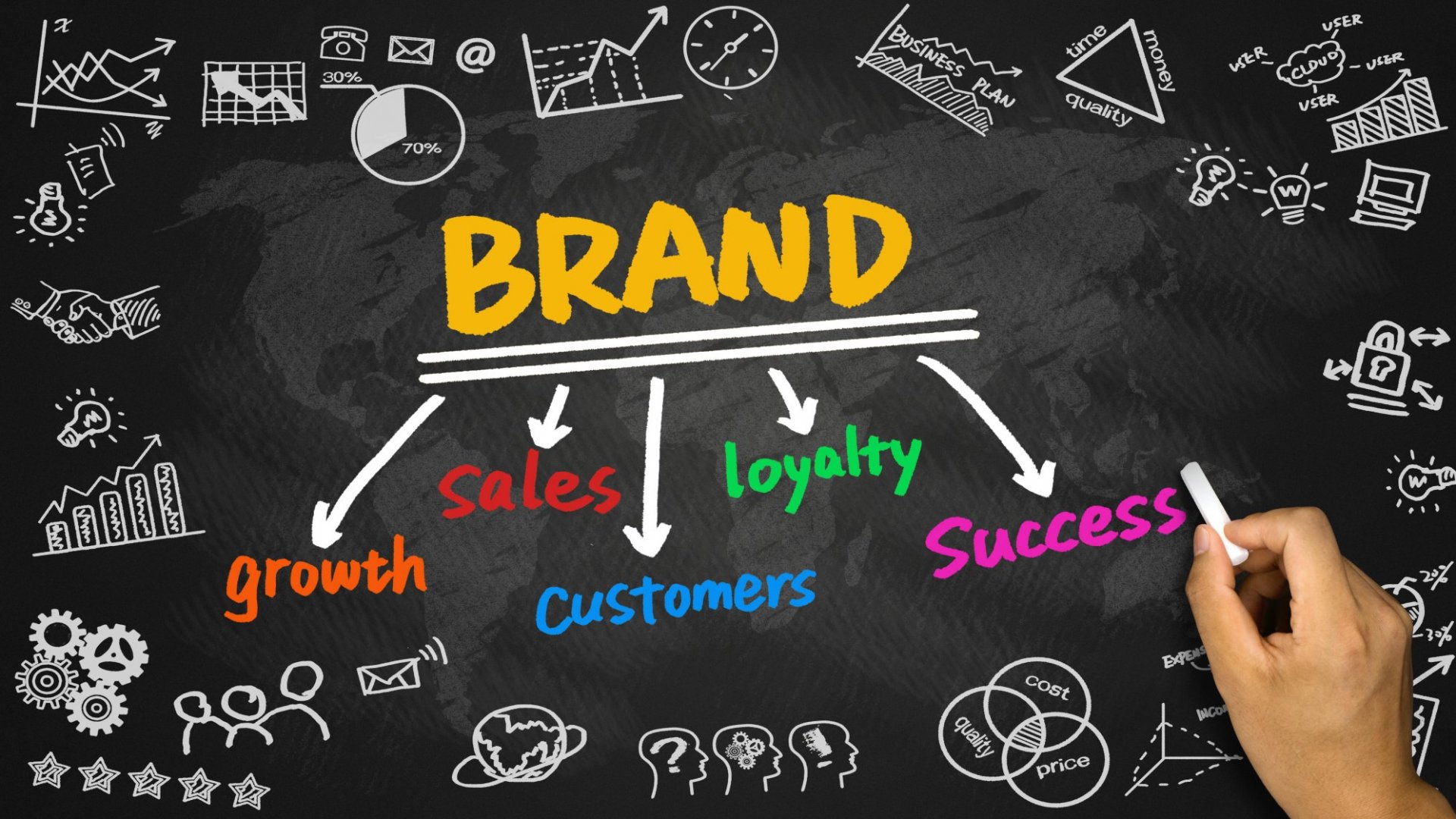
Brand loyalty is no longer built through product quality alone. In a competitive marketplace where customers can switch brands instantly, loyalty develops through consistent experiences, emotional connection, and meaningful engagement. Effective marketing plays a central role in shaping how customers perceive, trust, and repeatedly choose a brand.
This article explains how businesses can strategically use marketing to create long-term loyalty that strengthens retention, improves reputation, and drives sustainable growth. 📈
What Is Brand Loyalty?
Brand loyalty refers to a customer’s consistent preference for one brand over competitors, even when alternatives are available at similar or lower prices.
Loyal customers typically:
- Make repeat purchases
- Recommend the brand to others
- Trust the brand’s messaging
- Engage with content regularly
- Resist switching during competitor promotions
Marketing influences all of these behaviors by shaping expectations and reinforcing positive experiences.
Why Brand Loyalty Matters in Modern Marketing
Customer acquisition costs are rising across industries. Retaining existing customers is often more cost-effective than acquiring new ones. Loyalty-driven marketing delivers measurable advantages:
- Higher customer lifetime value
- Increased referral traffic
- Lower advertising dependency
- Stronger brand reputation
- More predictable revenue streams
When loyalty becomes part of brand identity, marketing shifts from persuasion to relationship building. 🤝
The Role of Emotional Connection in Loyalty Building
Customers rarely stay loyal because of logic alone. Emotional attachment strengthens retention.
Marketing strengthens emotional ties through:
- Storytelling that reflects shared values
- Authentic brand voice
- Community participation
- Social responsibility initiatives
- Personalized communication
Brands that connect emotionally are remembered longer and trusted more deeply.
Delivering Consistent Brand Experiences Across Channels
Consistency builds familiarity. Familiarity builds trust.
Customers expect the same tone, values, and quality whether they interact through:
- Social media
- Email campaigns
- Websites
- Customer service teams
- Offline experiences
Consistency reduces uncertainty and reinforces credibility ⭐
Personalization as a Loyalty Driver
Modern marketing tools allow brands to tailor experiences based on behavior, preferences, and engagement patterns.
Effective personalization includes:
- Customized product recommendations
- Behavior-triggered email campaigns
- Location-based promotions
- Loyalty rewards aligned with interests
- Personalized onboarding journeys
Customers who feel understood are more likely to stay loyal.
Building Loyalty Through Value-Based Marketing
Today’s audiences often support brands that reflect their beliefs and priorities.
Marketing strategies that highlight values include:
- Sustainability commitments
- Ethical sourcing transparency
- Inclusive messaging
- Community involvement
- Educational content instead of aggressive selling
Value alignment strengthens long-term trust.
Loyalty Programs That Actually Work
Not all loyalty programs create loyalty. Many only encourage short-term purchases.
Successful programs focus on relationship depth rather than discount frequency.
Strong loyalty programs include:
- Tier-based rewards
- Early product access
- Exclusive content or experiences
- Member-only communities
- Recognition-based perks
Recognition motivates loyalty more effectively than price reductions alone 🎯
Leveraging Content Marketing to Strengthen Relationships
Content marketing supports loyalty by delivering continuous value beyond transactions.
High-impact loyalty-building content includes:
- Tutorials
- Expert insights
- Behind-the-scenes stories
- Customer success features
- Industry education resources
When customers learn from a brand, they begin to rely on it.
Social Proof and Community Engagement
People trust people more than advertisements.
Marketing strategies that amplify social proof include:
- Customer testimonials
- User-generated content campaigns
- Influencer partnerships
- Community discussions
- Case studies
Community interaction transforms customers into brand advocates.
Customer Service as a Marketing Tool
Customer support is often overlooked as part of loyalty marketing, yet it strongly influences perception.
Marketing-aligned service strategies include:
- Quick response times
- Transparent communication
- Consistent tone across teams
- Proactive issue resolution
- Follow-up engagement after support interactions
Service experiences frequently determine whether customers stay or leave.
Using Data Responsibly to Strengthen Loyalty
Data-driven marketing improves relevance, but misuse damages trust.
Responsible loyalty-focused data strategies include:
- Clear privacy communication
- Consent-based personalization
- Transparent usage policies
- Ethical targeting practices
Trust grows when customers feel respected rather than tracked.
Measuring Brand Loyalty Effectively
Marketing teams should track indicators that reflect real relationship strength, such as:
- Repeat purchase rate
- Customer lifetime value
- Net promoter score
- Referral frequency
- Engagement rate across channels
Measurement ensures loyalty-building strategies remain effective over time.
Conclusion
Building brand loyalty through marketing requires consistency, personalization, emotional relevance, and long-term value delivery. Businesses that prioritize relationships over transactions create stronger customer connections and sustainable growth advantages. Loyalty is not created through a single campaign; it develops through continuous trust-building experiences across every customer interaction.
FAQ Section
1. How long does it take to build strong brand loyalty?
Brand loyalty typically develops over multiple positive interactions rather than a single campaign. Consistent messaging, reliable service, and personalized engagement accelerate the process.
2. Can small businesses build brand loyalty without large marketing budgets?
Yes. Authentic storytelling, responsive customer service, and community engagement often create stronger loyalty than expensive advertising campaigns.
3. Does social media play a major role in loyalty development?
Social media strengthens loyalty by enabling direct interaction, fast feedback loops, and community participation that reinforces brand familiarity.
4. What is the difference between customer satisfaction and brand loyalty?
Customer satisfaction reflects a positive experience, while loyalty represents a long-term commitment to repeatedly choosing the same brand.
5. Are discounts necessary to maintain loyalty?
Discounts can encourage purchases, but recognition, personalization, and meaningful experiences are more effective for long-term loyalty.
6. How can brands recover loyalty after a negative customer experience?
Quick acknowledgment, transparent communication, and proactive resolution often rebuild trust and demonstrate accountability.
7. Why is transparency important in loyalty-focused marketing?
Transparency strengthens credibility and reduces skepticism, helping customers feel confident about continuing their relationship with the brand.
Comments are closed.